A4 · 210 × 297 mm

COVER
CONTENTS · 38 PAGES
EXPLOSIVE DEMOLITION000
A4 · 210 × 297 MM · 38 PAGES

Bringing down a building with explosives in the middle of a city, with the neighbour only a few metres away, takes calculation, experience and discipline. DTEX combines explosives engineering with its own structural analysis software and field measurement.

In the city, in earthquake zones and in industrial plants, every blast is based on structural analysis and blast design. Operations are run by our own internationally and NATO-certified, licensed team.

We take on the blasting phase: design, permits and licences, charging, firing and measurement. You focus on the site and the debris.

Safe, documented demolition of earthquake-damaged and high-risk buildings and in urban regeneration areas; consultancy on tender and technical specification preparation.

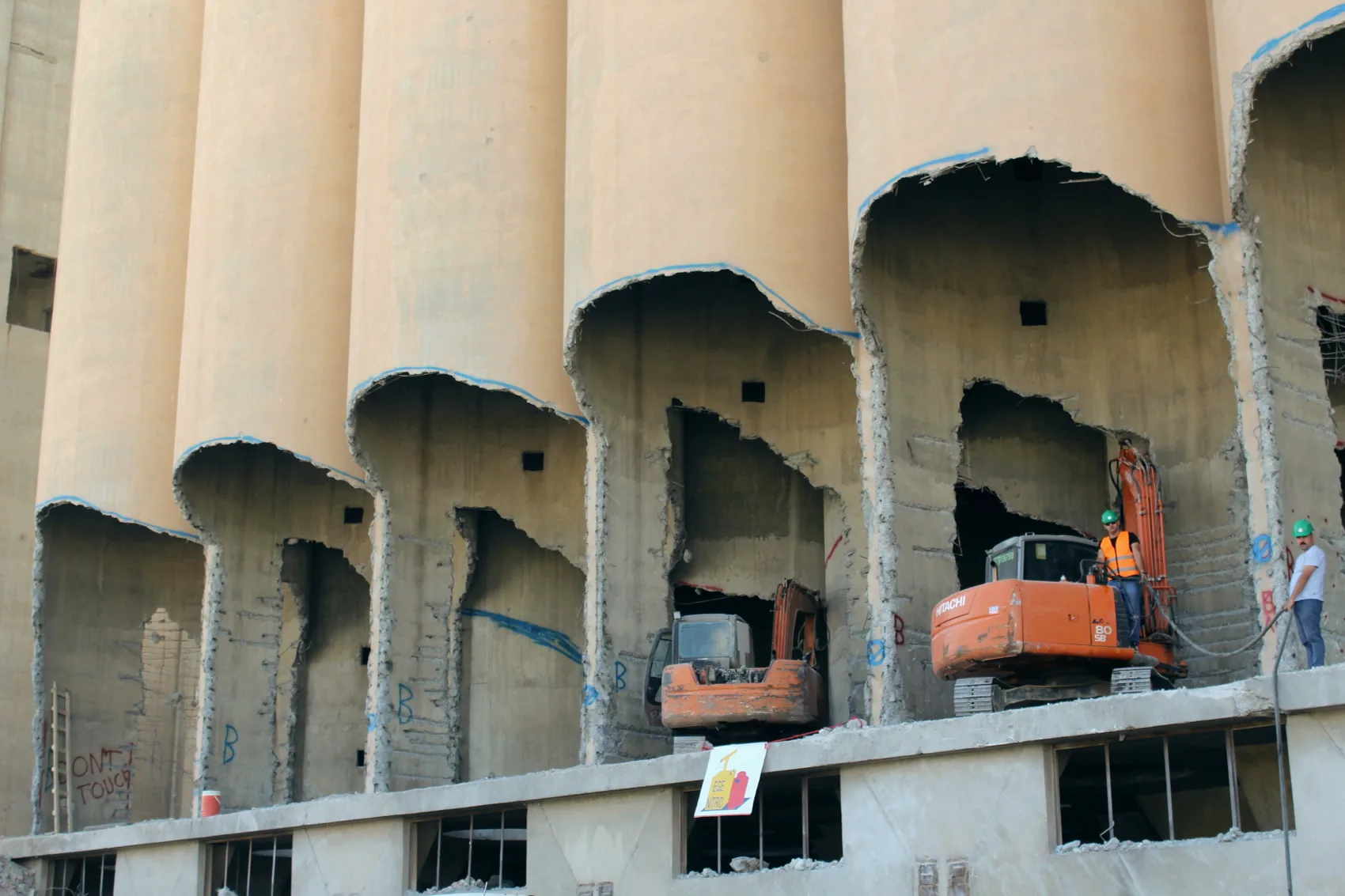
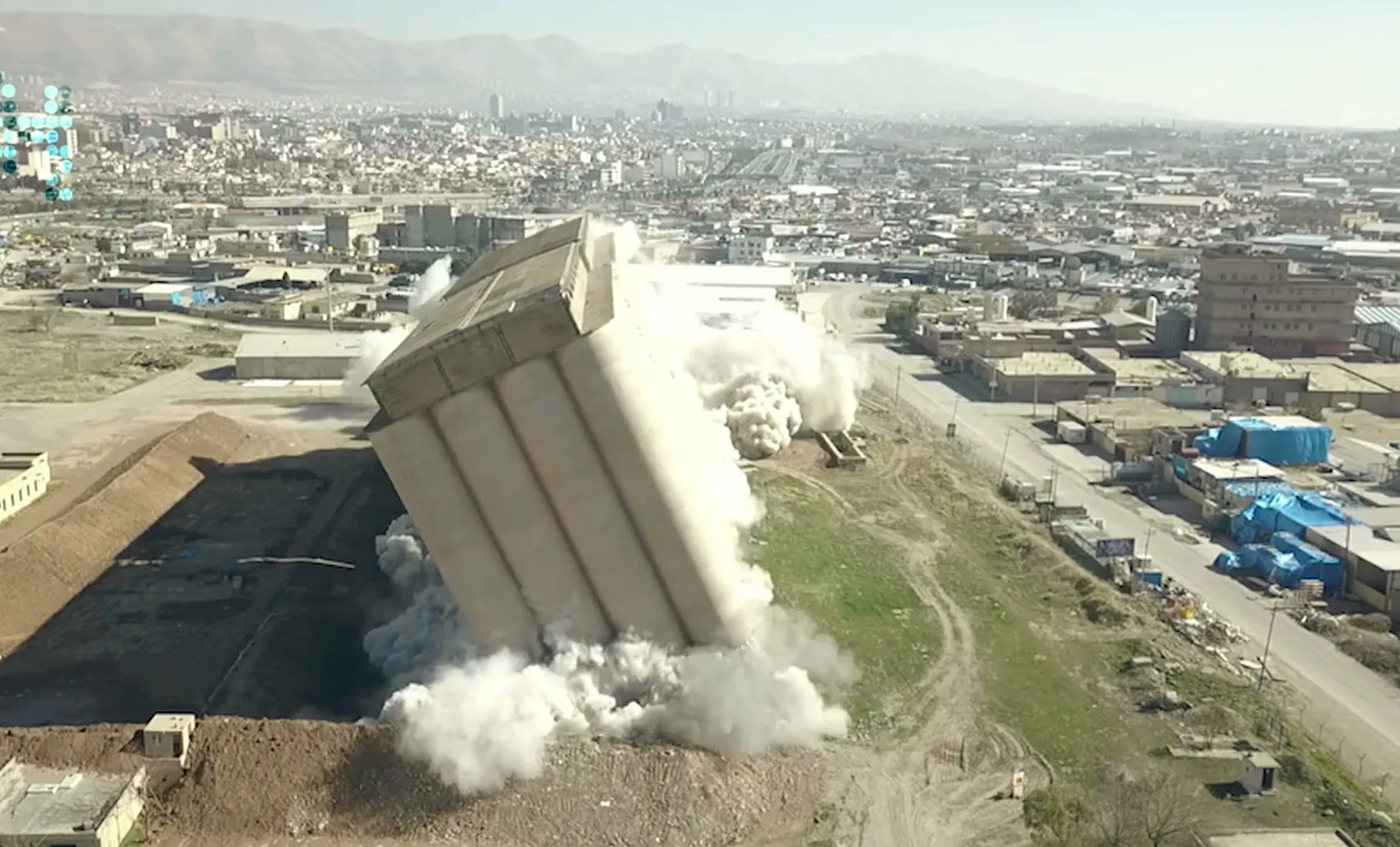
A demolition method tailored to the structural system for silos, towers, hyperbolic structures such as cooling towers, bridges and industrial plants.
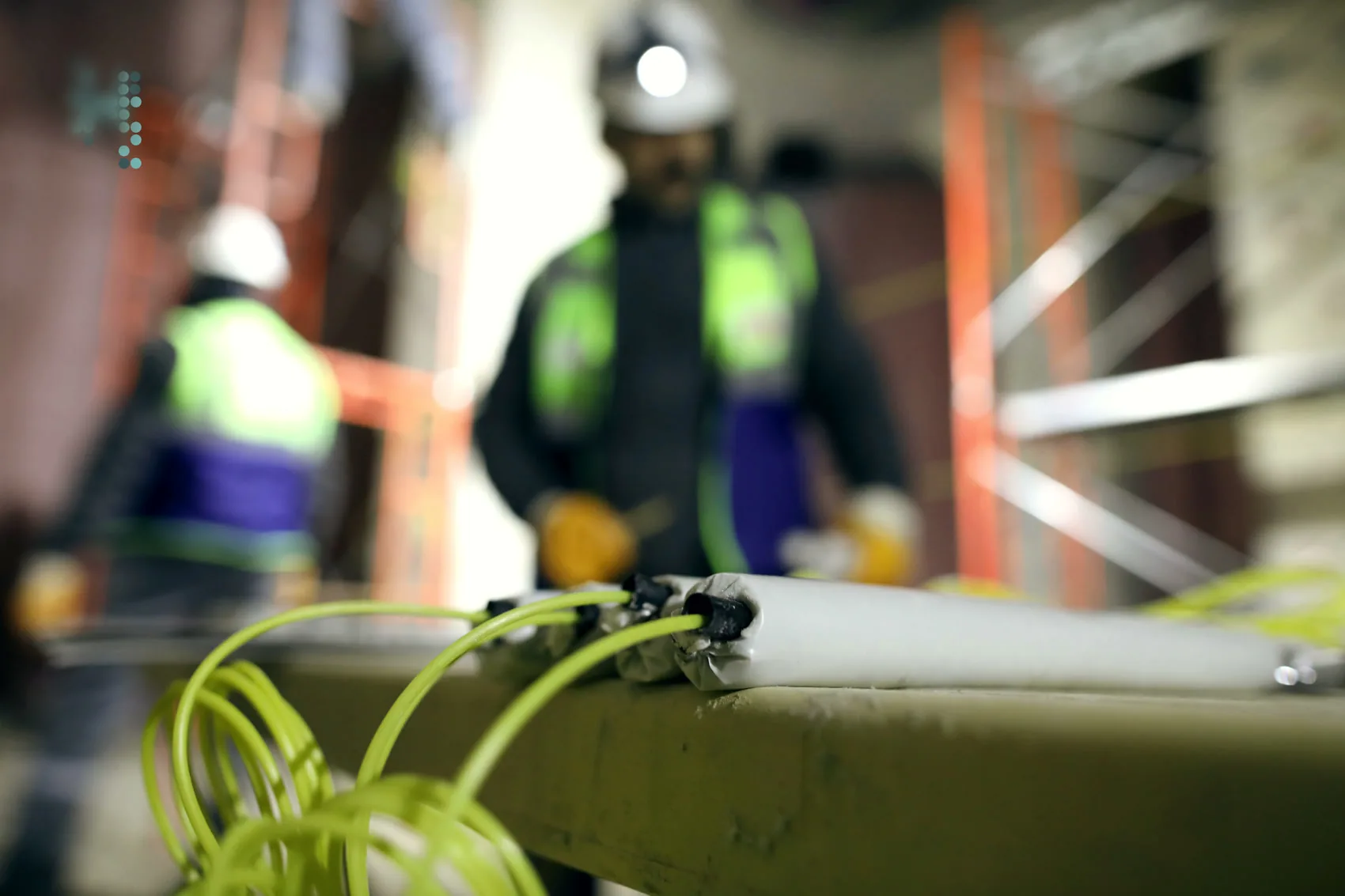
An engineering and execution partner for the safe, permitted use of explosives in urban demolition.
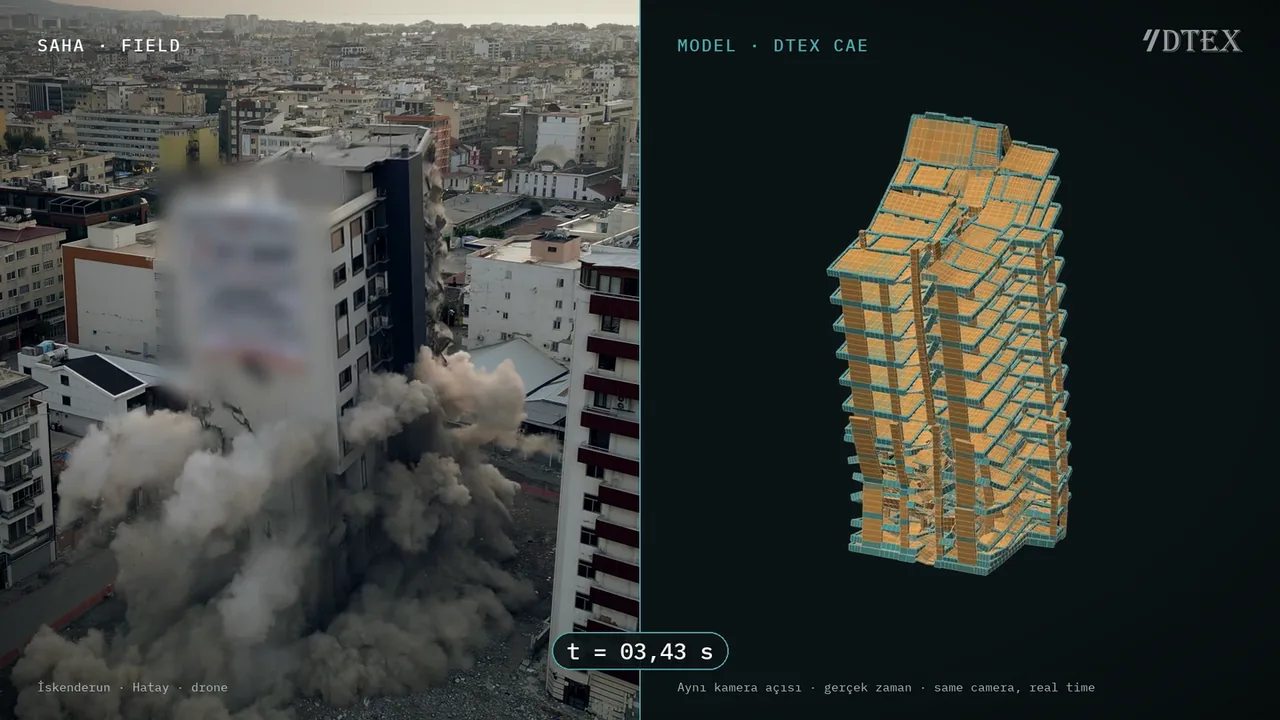
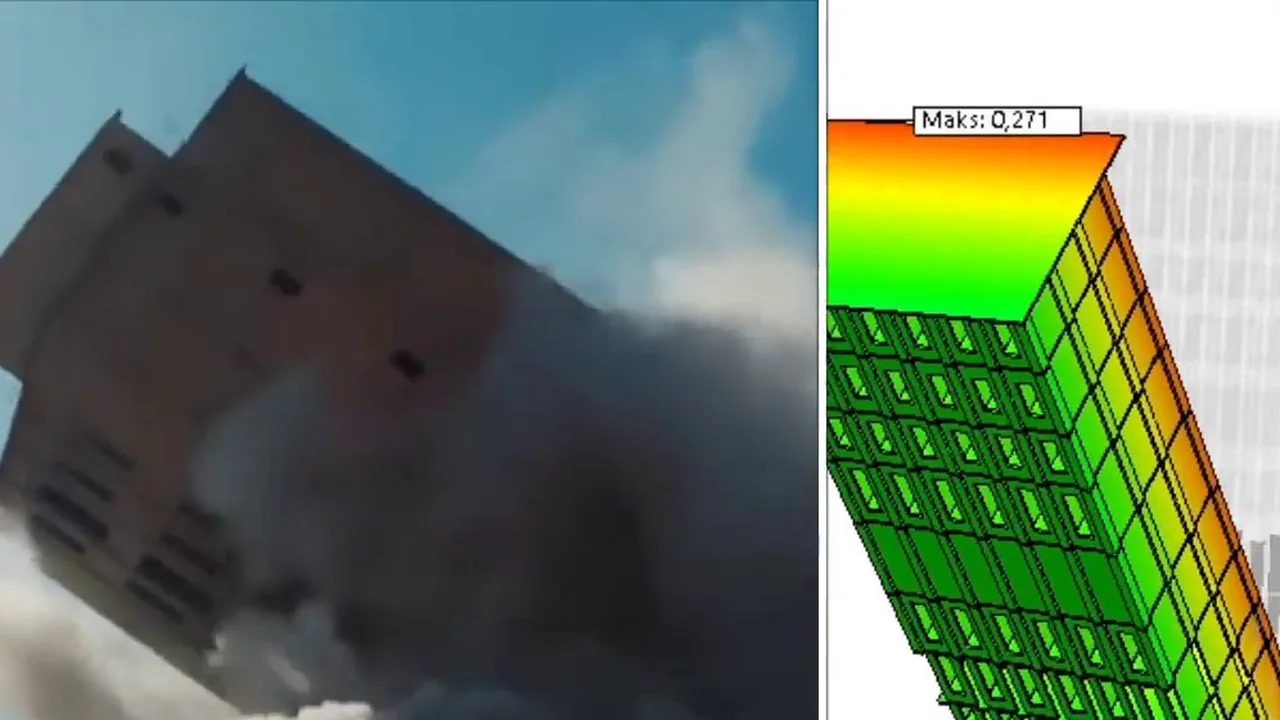
DTEX-CAE is an AEM-based collapse analysis software developed by DTEX, with all rights owned by DTEX. We design our demolitions with it: which members to cut, the delay sequence, the collapse direction and the debris area are calculated before the blast.


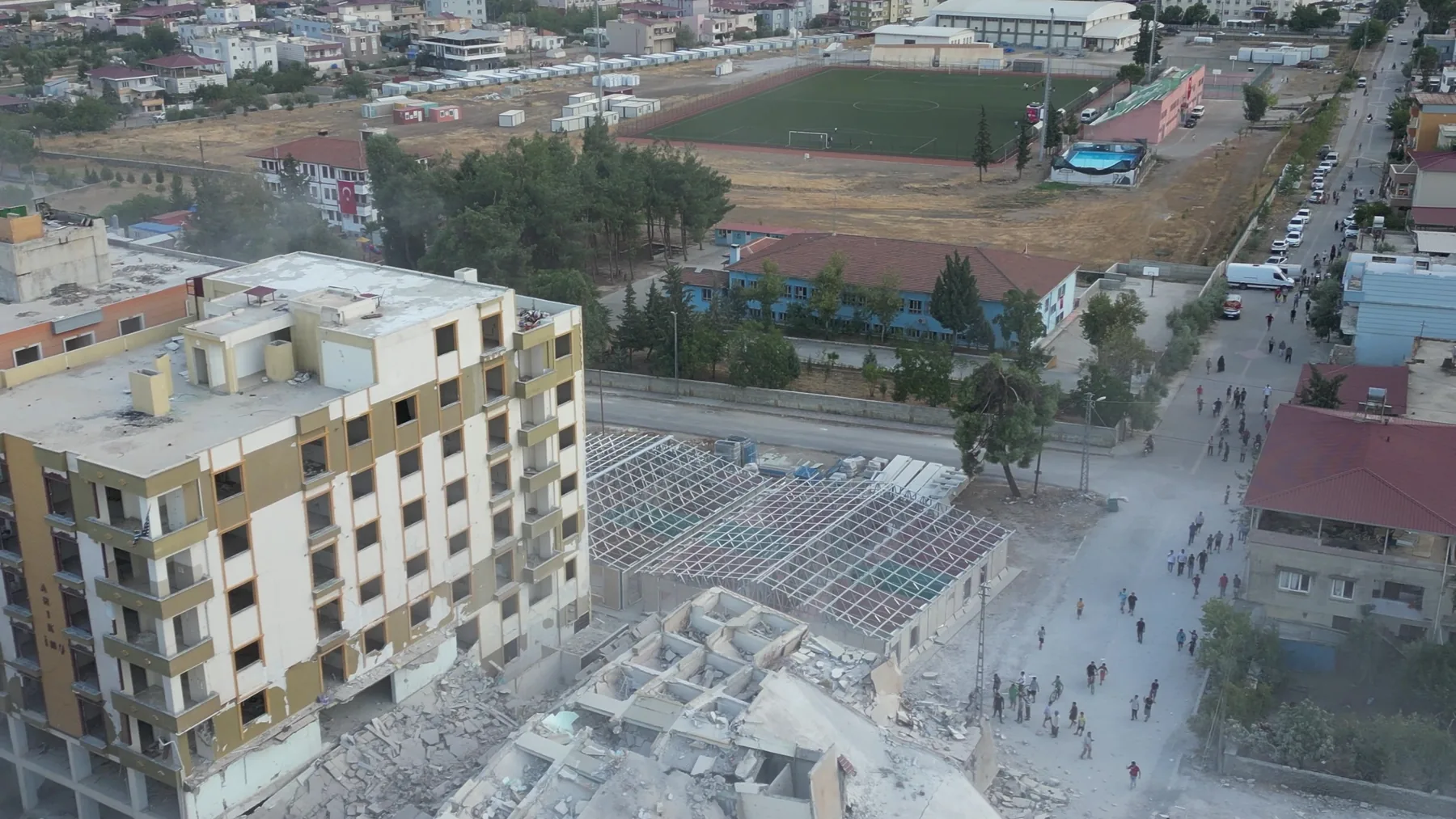
On the left, drone footage of the blast in İskenderun; on the right, the DTEX-CAE model of the same building. The model plays from the same angle as the field camera and in real time; the collapse direction matches the field record.

DTEX-CAE answers the questions of demolition design with numbers: which columns and walls to cut, the delay sequence, the direction the structure will fall and where the debris will spread. The views on this spread are taken from the DTEX-CAE model of the İskenderun hospital building.

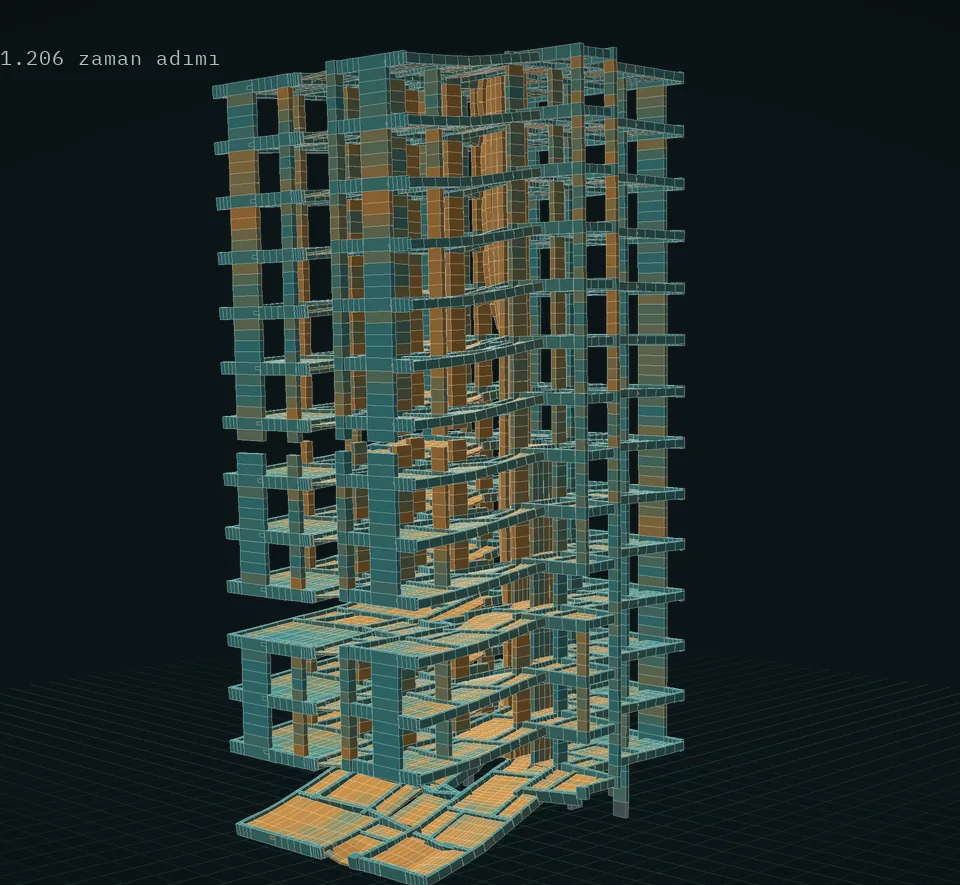
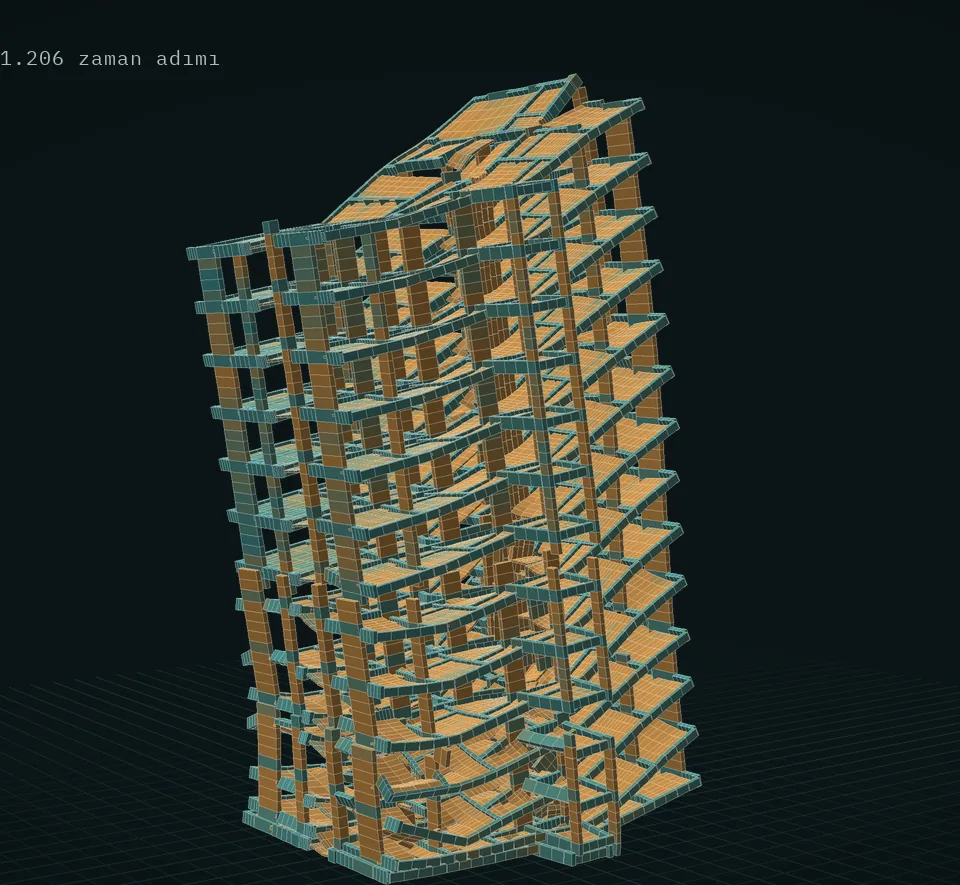


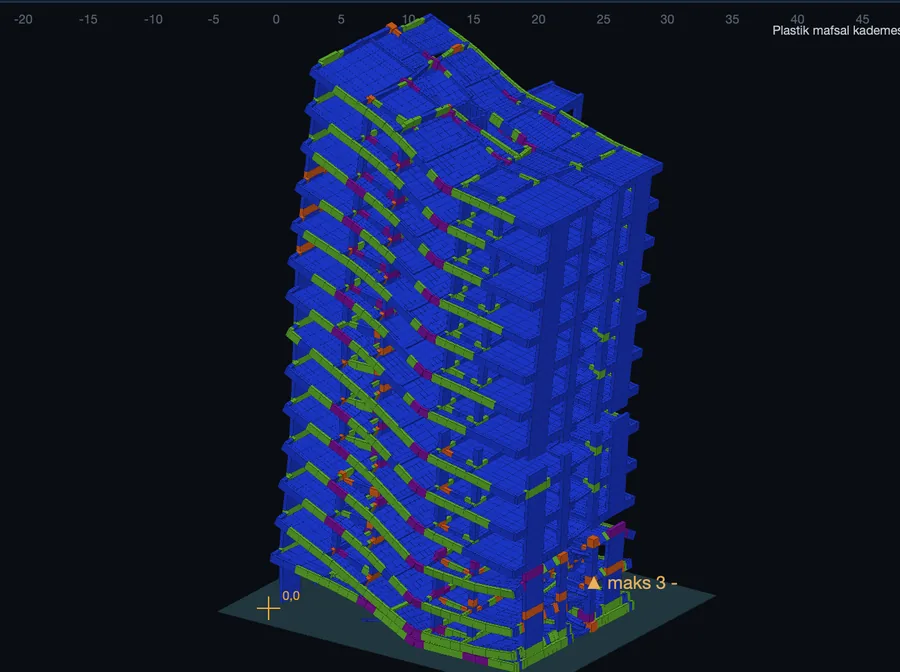

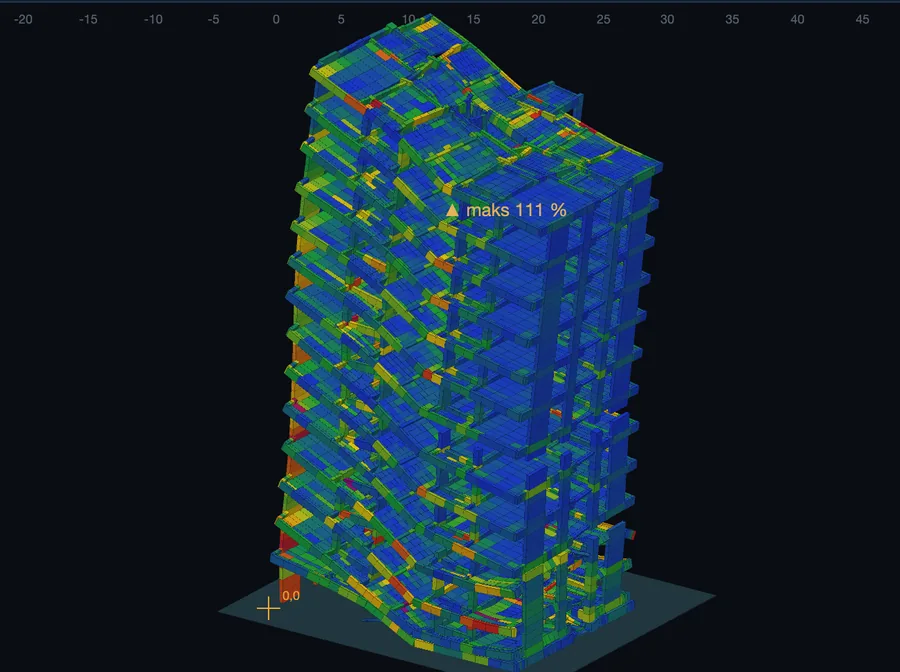
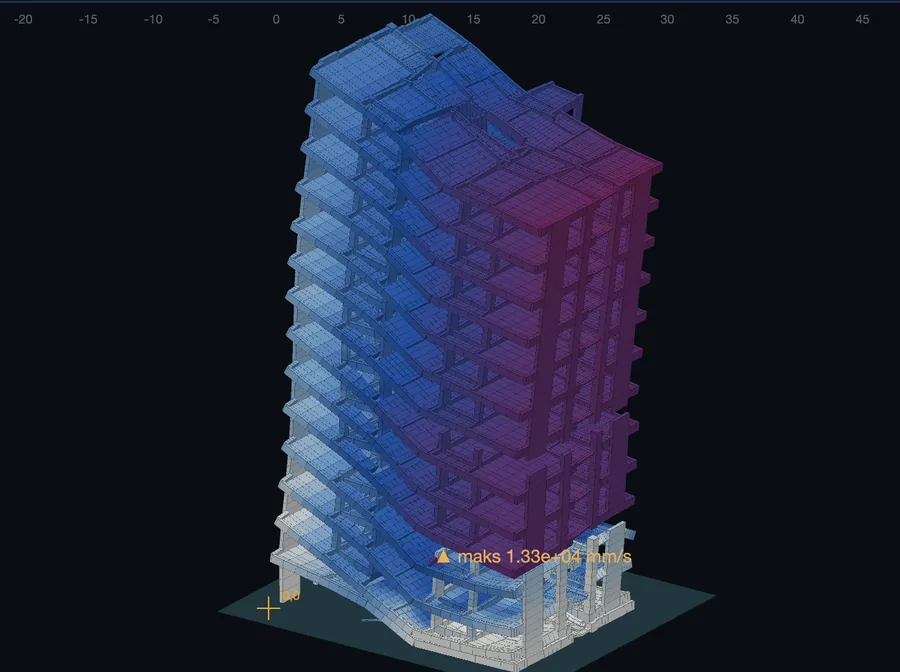


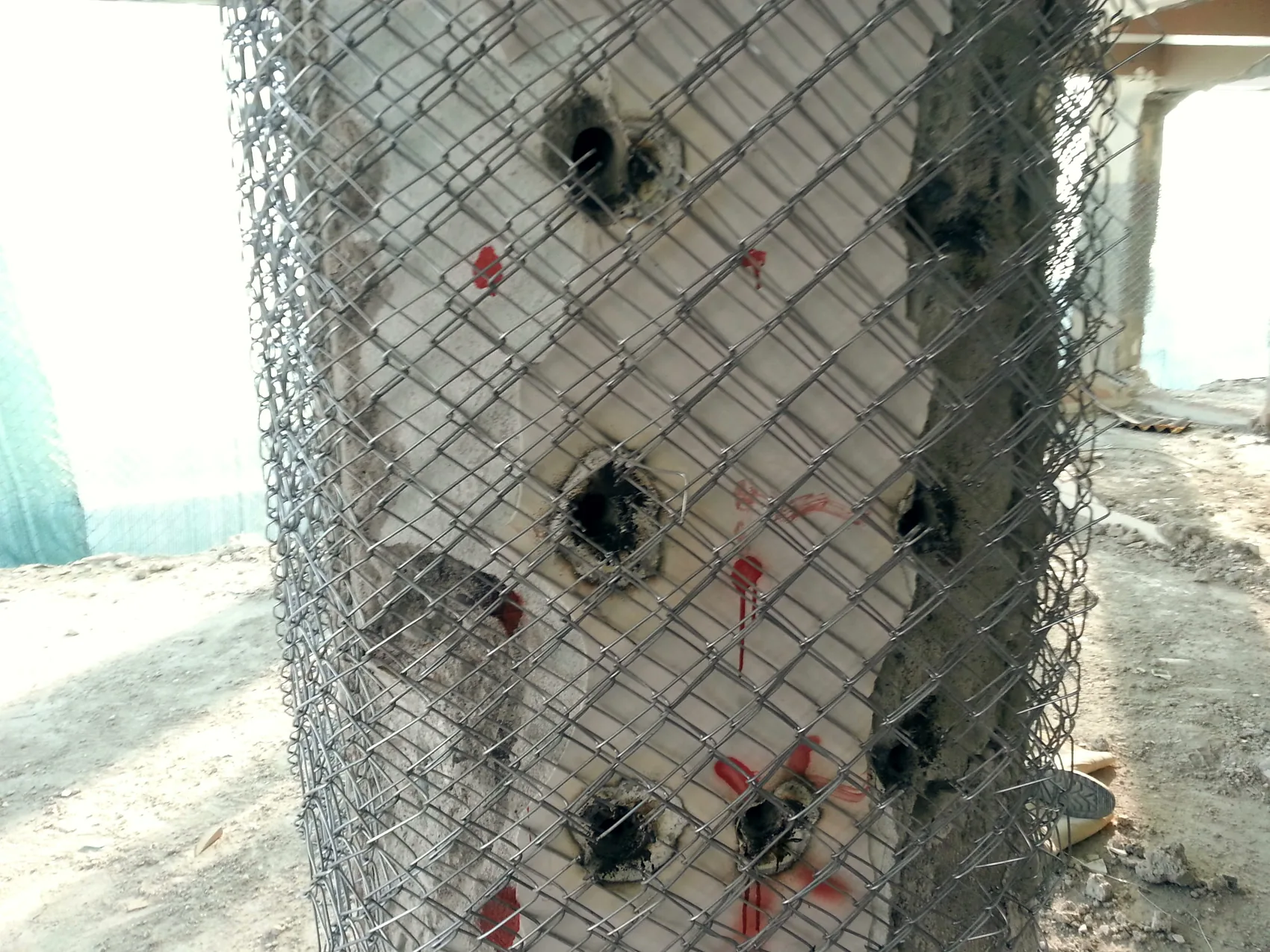



An earthquake-damaged 17-storey building was brought down by progressive collapse in the middle of the city.


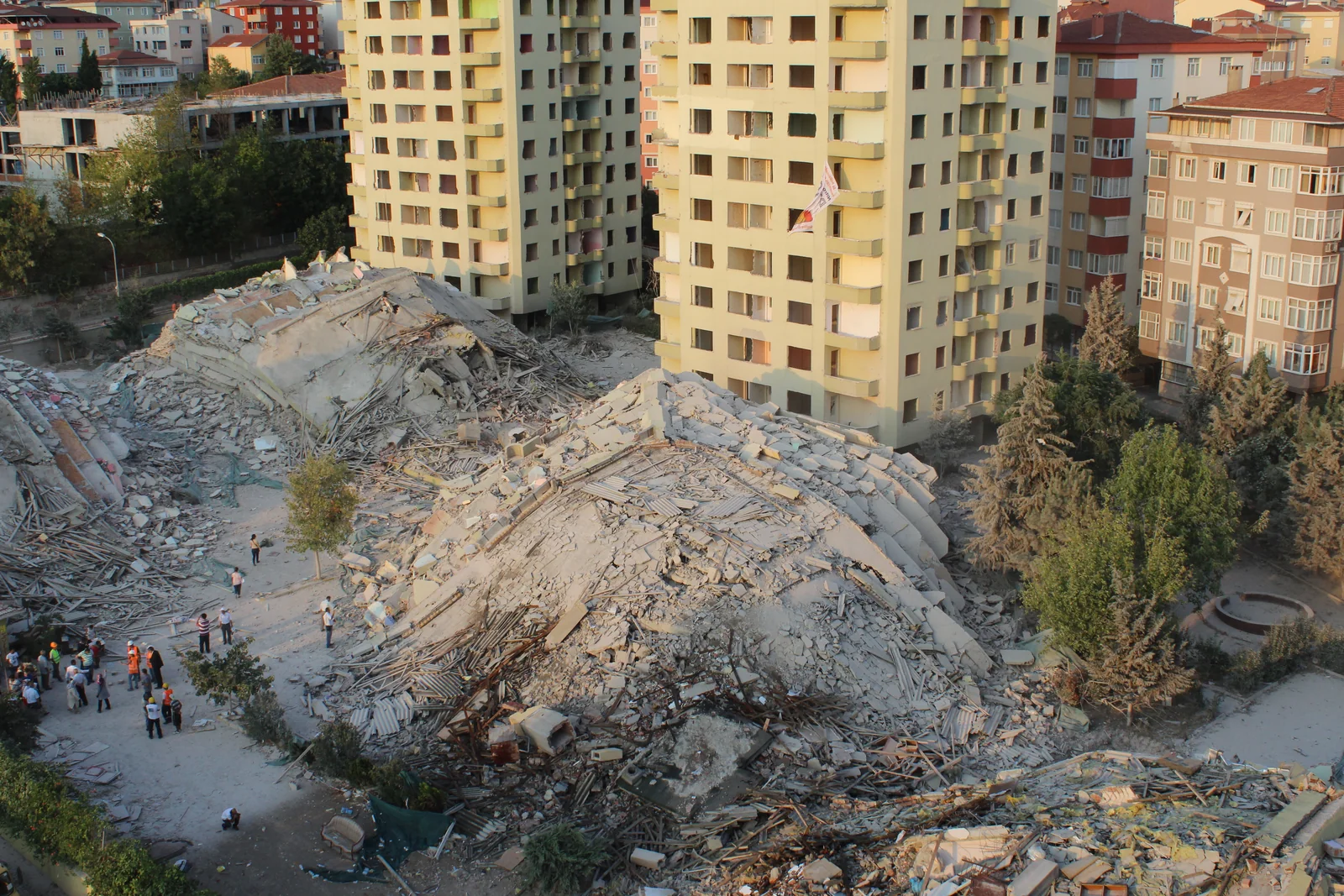
As part of urban regeneration, 4 buildings were brought down progressively in a single blast. Debris spread stayed within 10 metres; no damage occurred to surrounding buildings.


In Hassa, numerous earthquake-damaged buildings were demolished with explosives: adjoining buildings, two buildings in a single blast and high-rises. The recorded vibration stayed below one third of the DIN 4150-3 limit for sensitive structures.



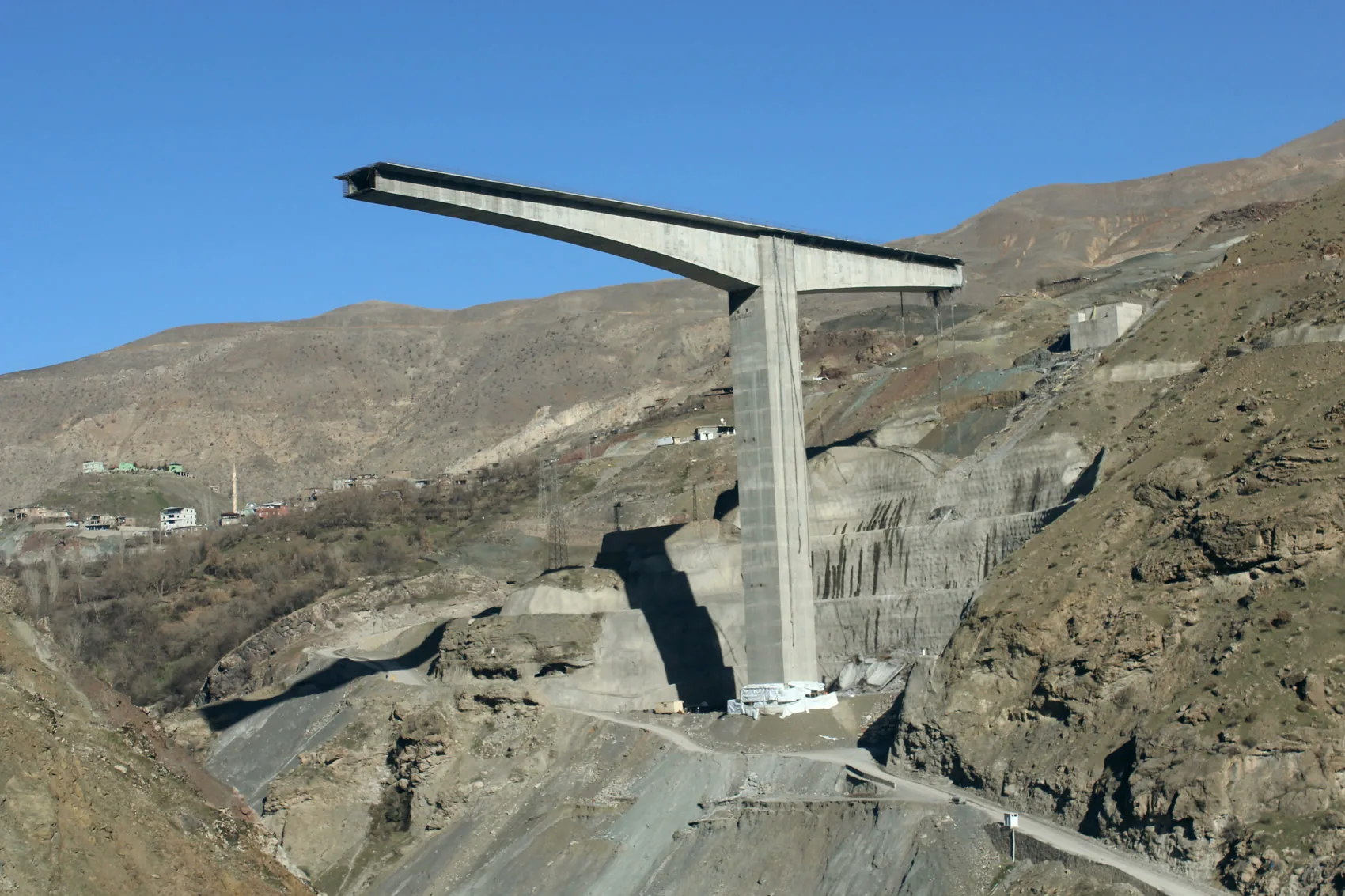
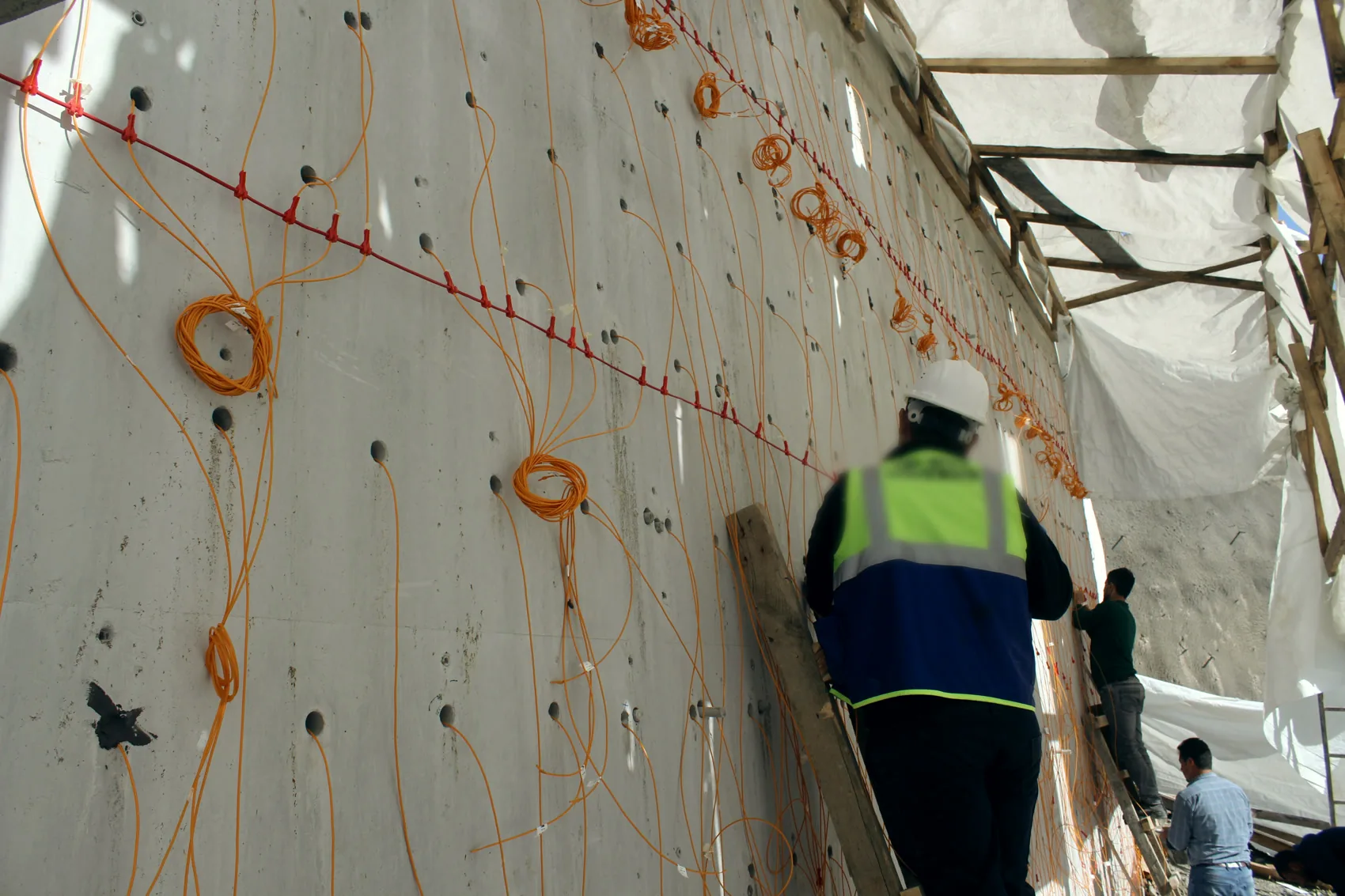
For bridges, silos, towers and hyperbolic structures such as cooling towers, the hole pattern, charges and delay plan follow the structural system. Example: the C50 concrete pier of a balanced-cantilever bridge was brought down with 660 holes and delays spread over 3.1 seconds; vibration measured at 250 metres was 0.38 mm/s.


Scan the QR code with your phone camera to watch the demolition.





The most-watched records on our YouTube channel. Click the image or scan the QR code.


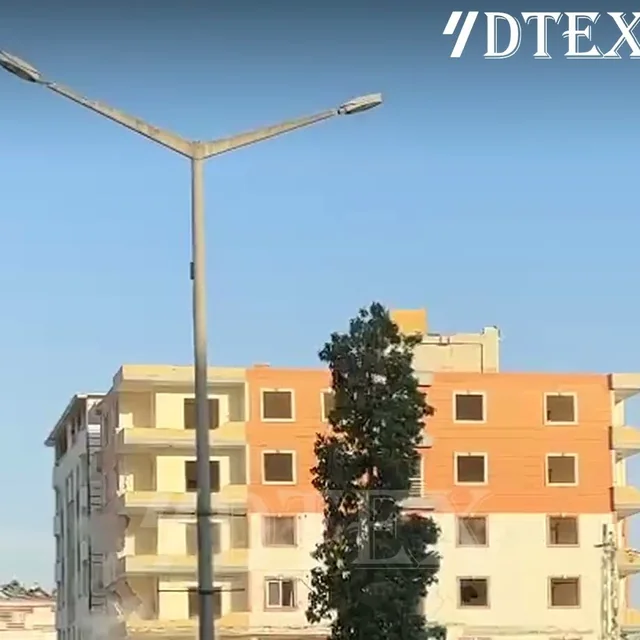

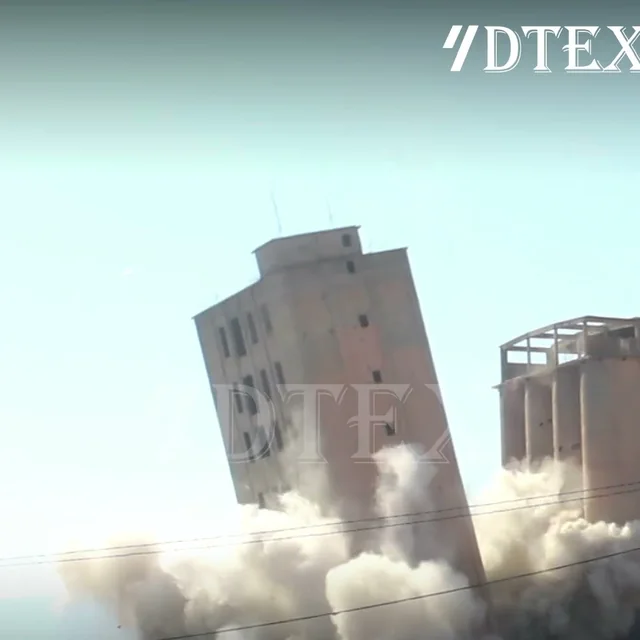

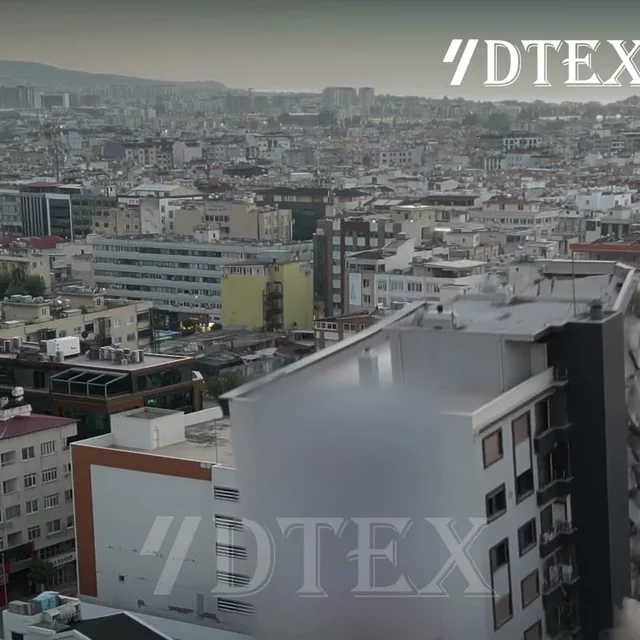

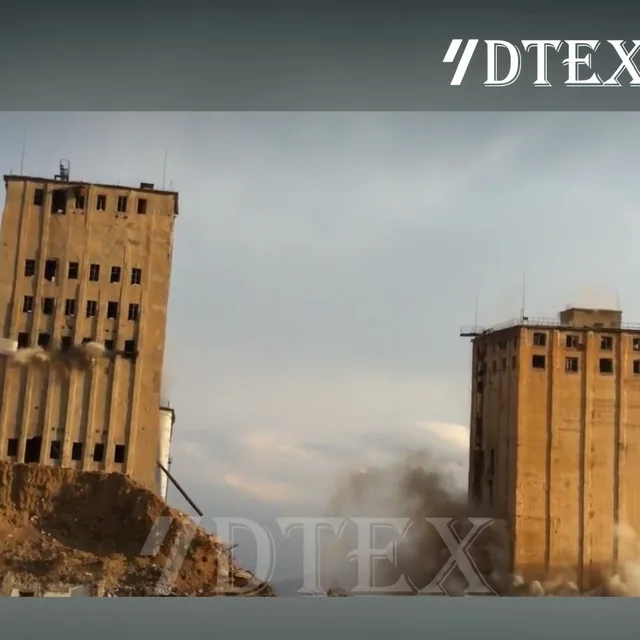

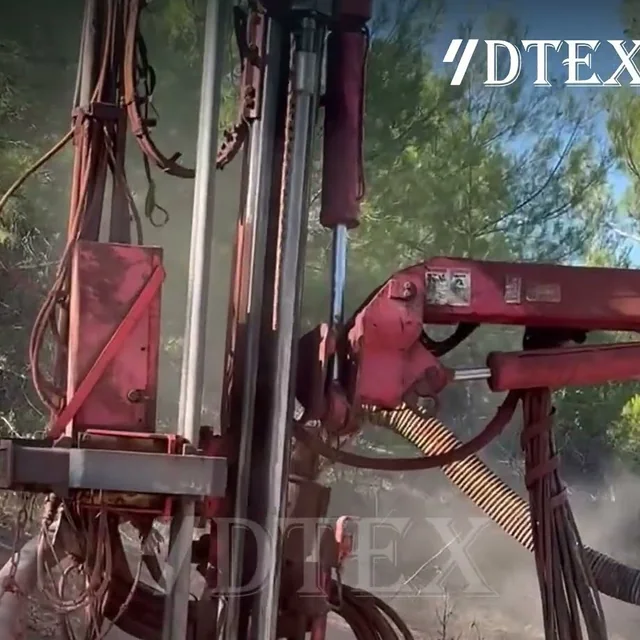

 WATCH THE FILM
Explosive demolition, DTEX-CAE collapse analysis and real field footage from our work in Türkiye, Iraq, Azerbaijan and Ukraine.

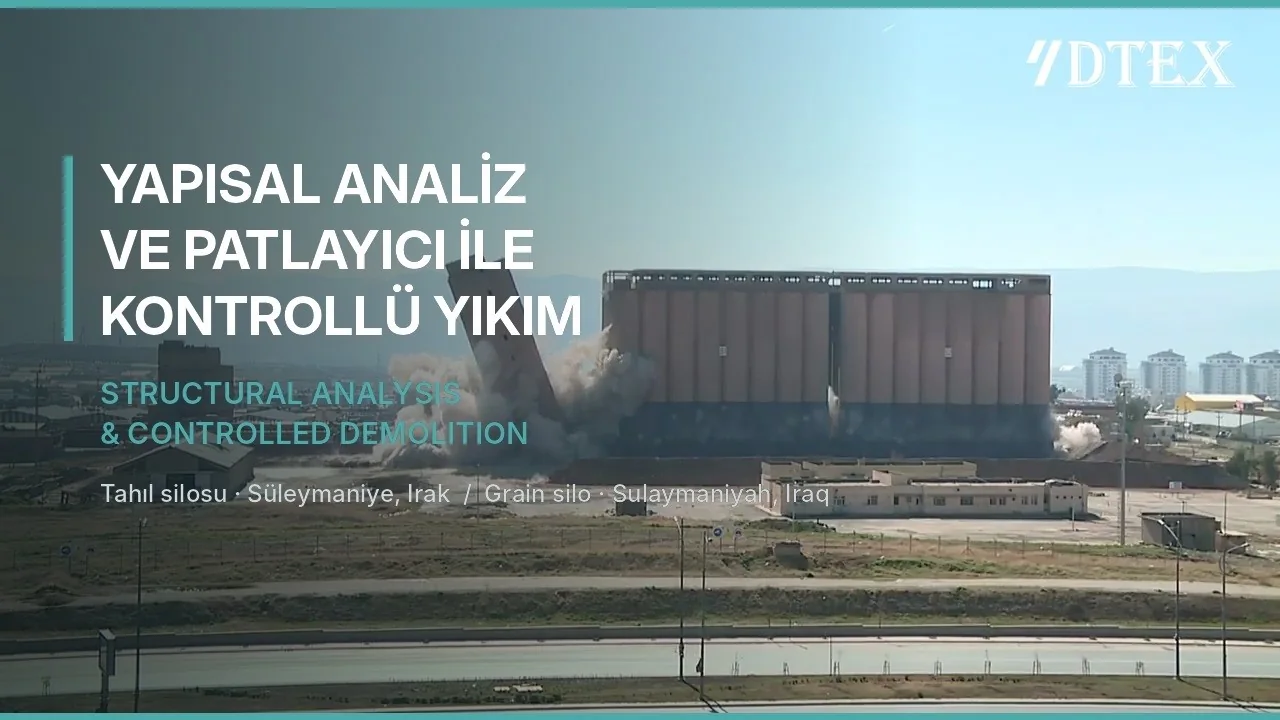


All 33 videos are in the video archive of the digital catalogue and on our YouTube channel: @dtexdemolition

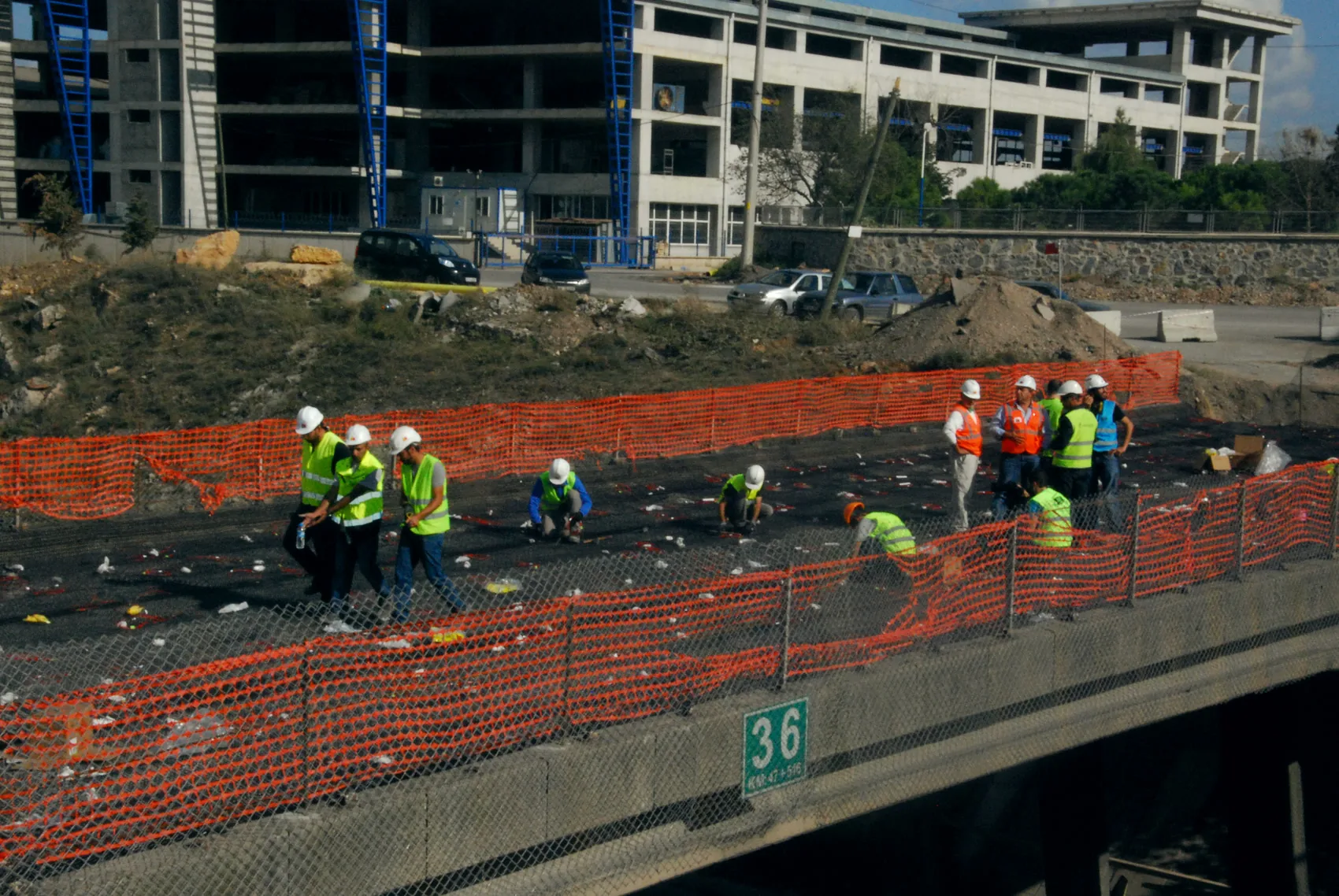
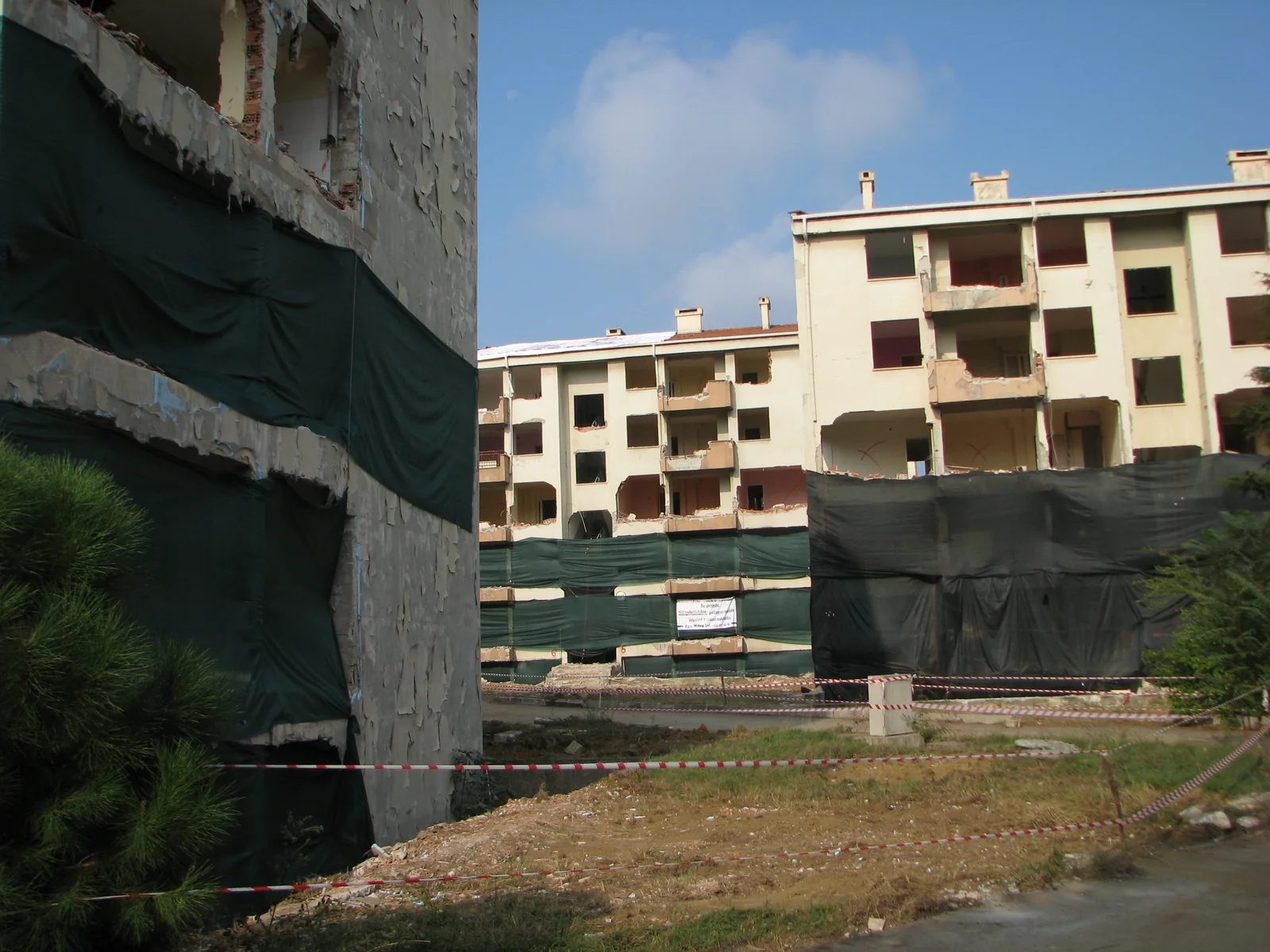
Pre-blast preparation, protection, charging and collapse: selected field images from our projects.

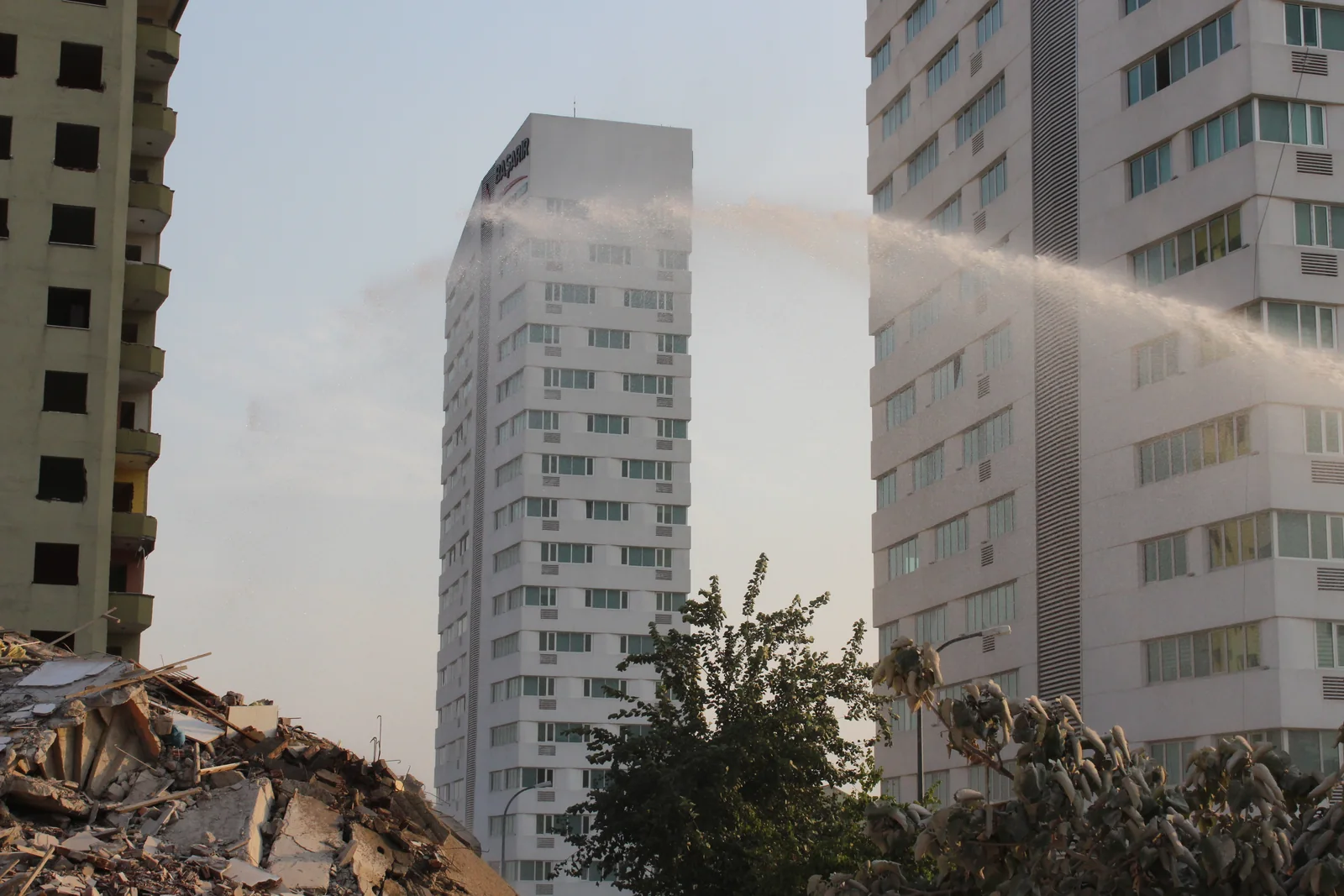
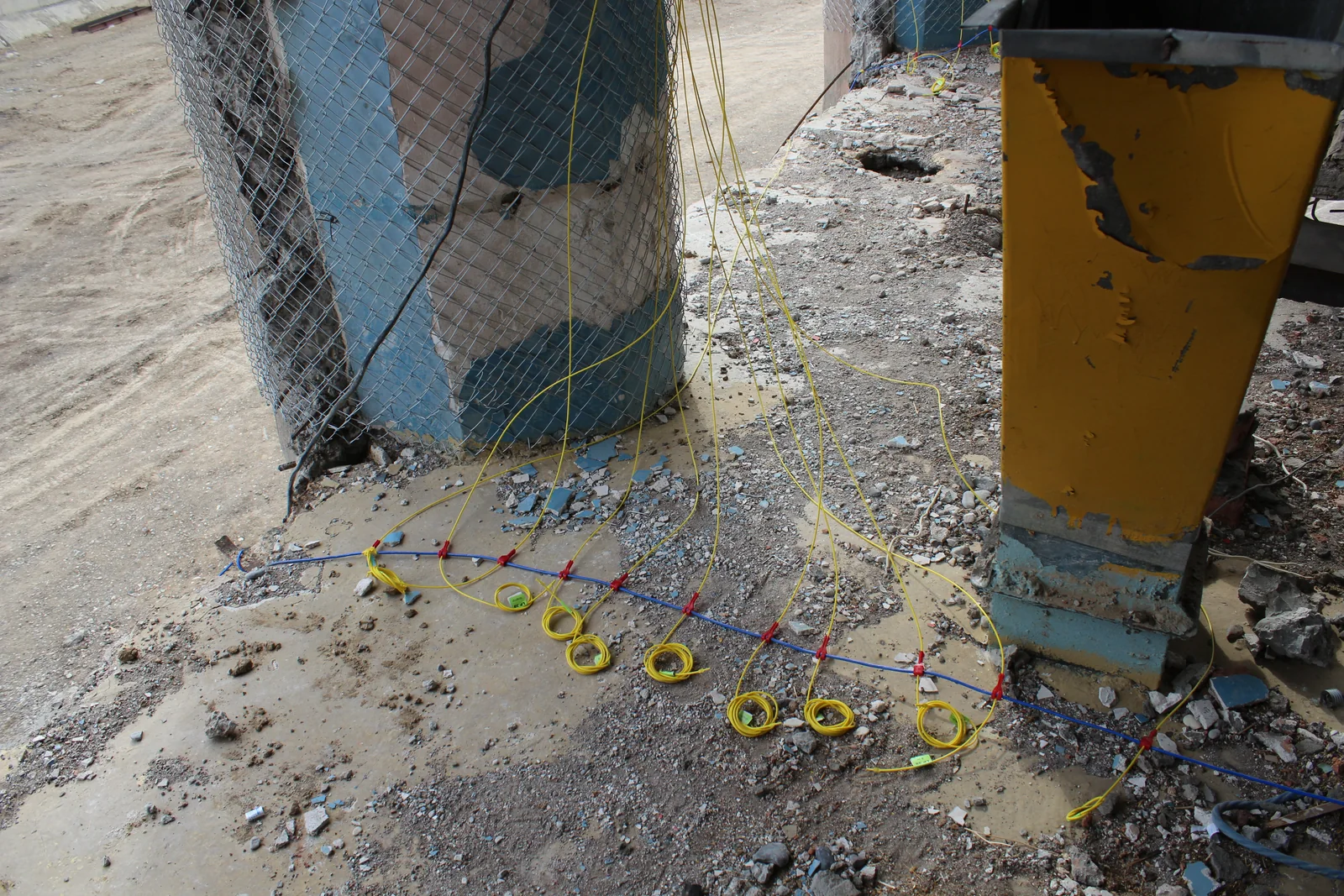
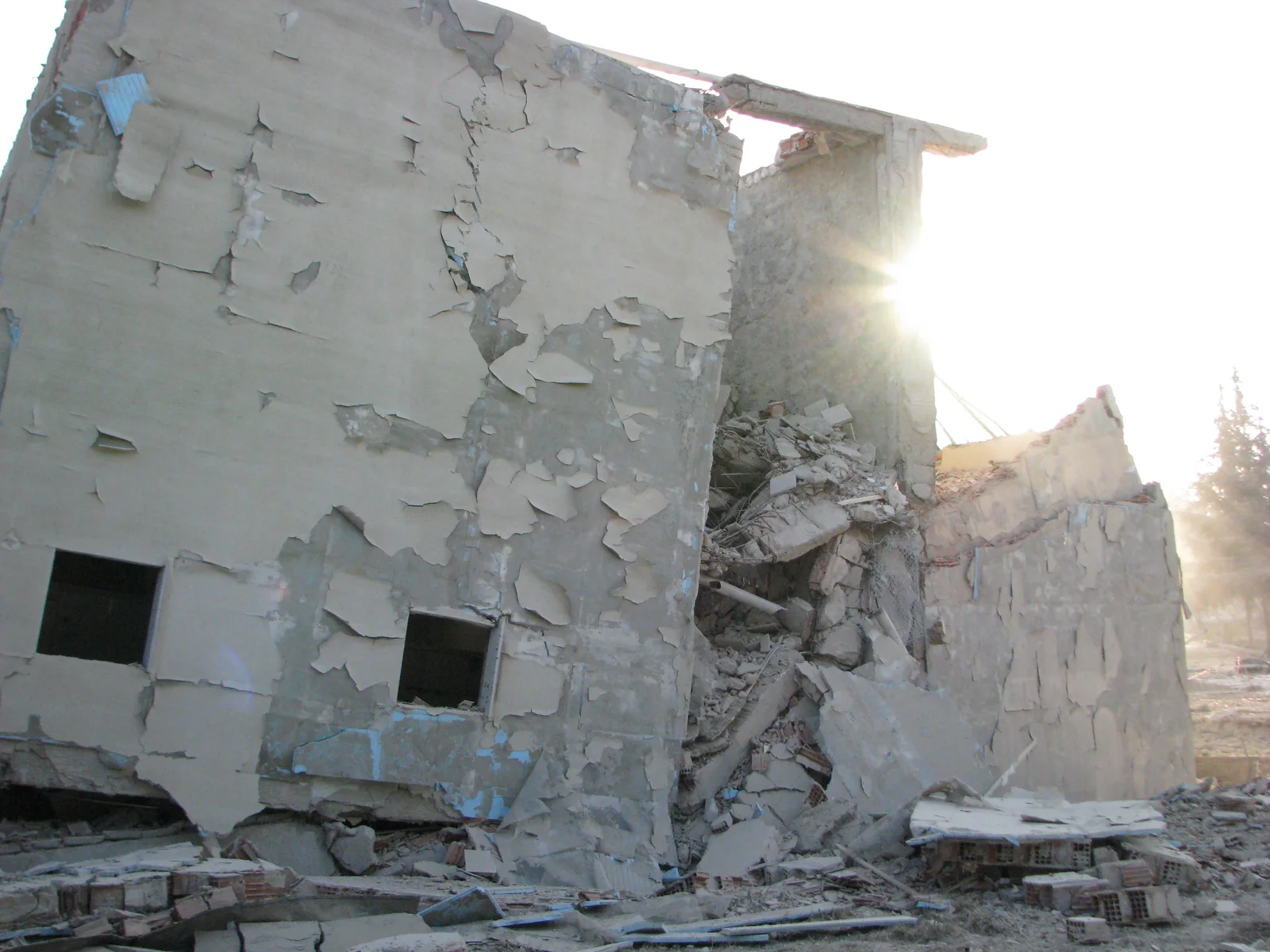
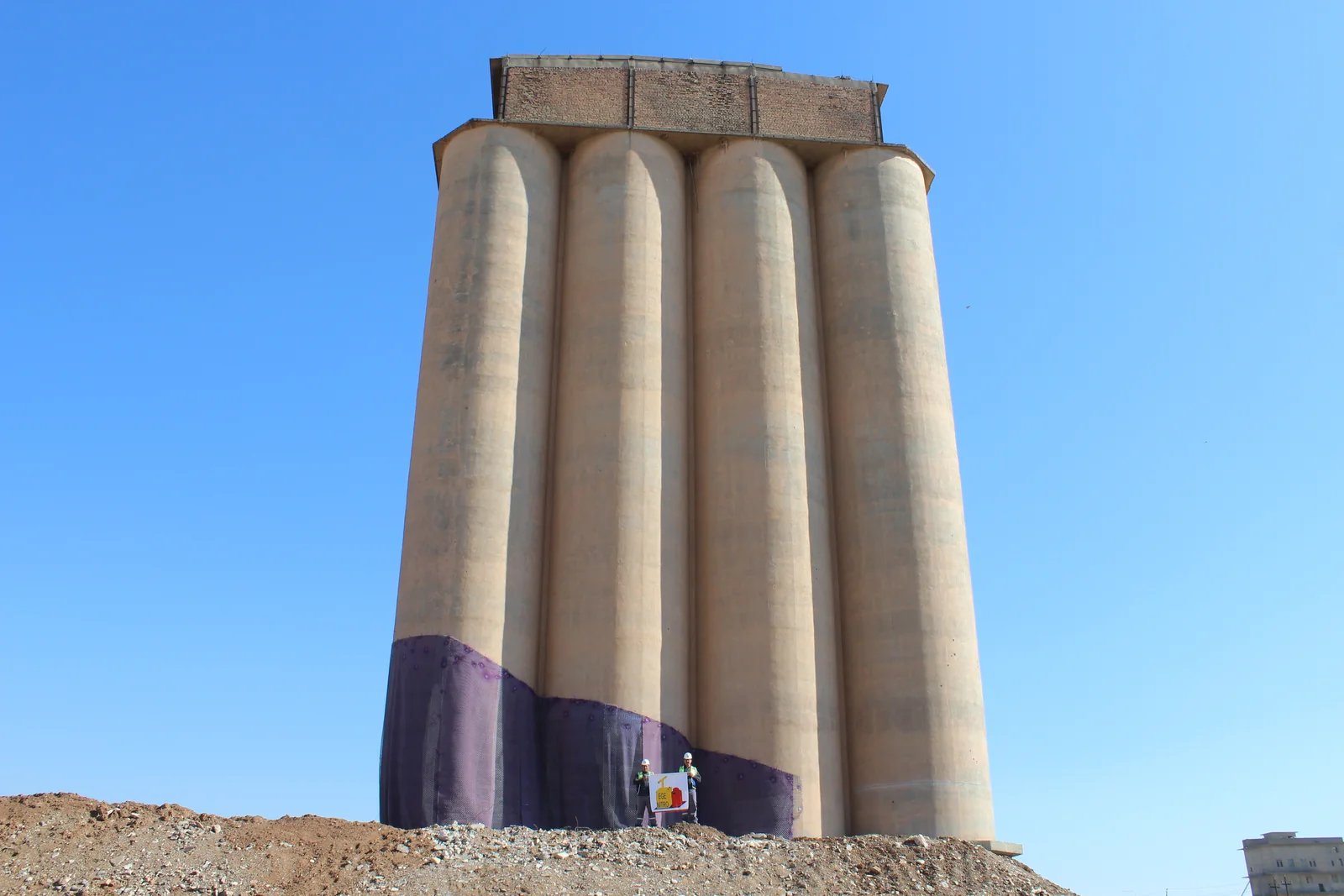
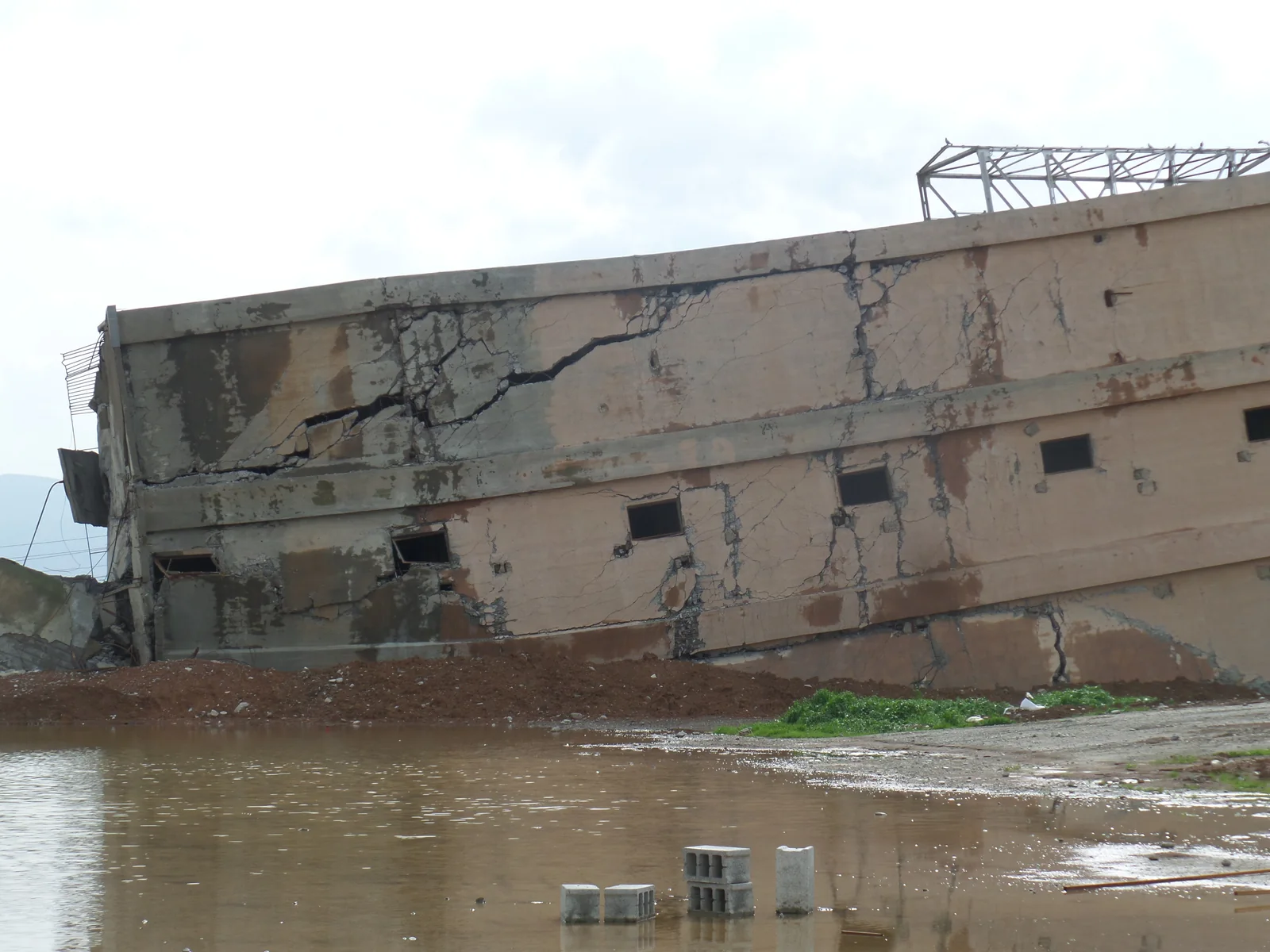
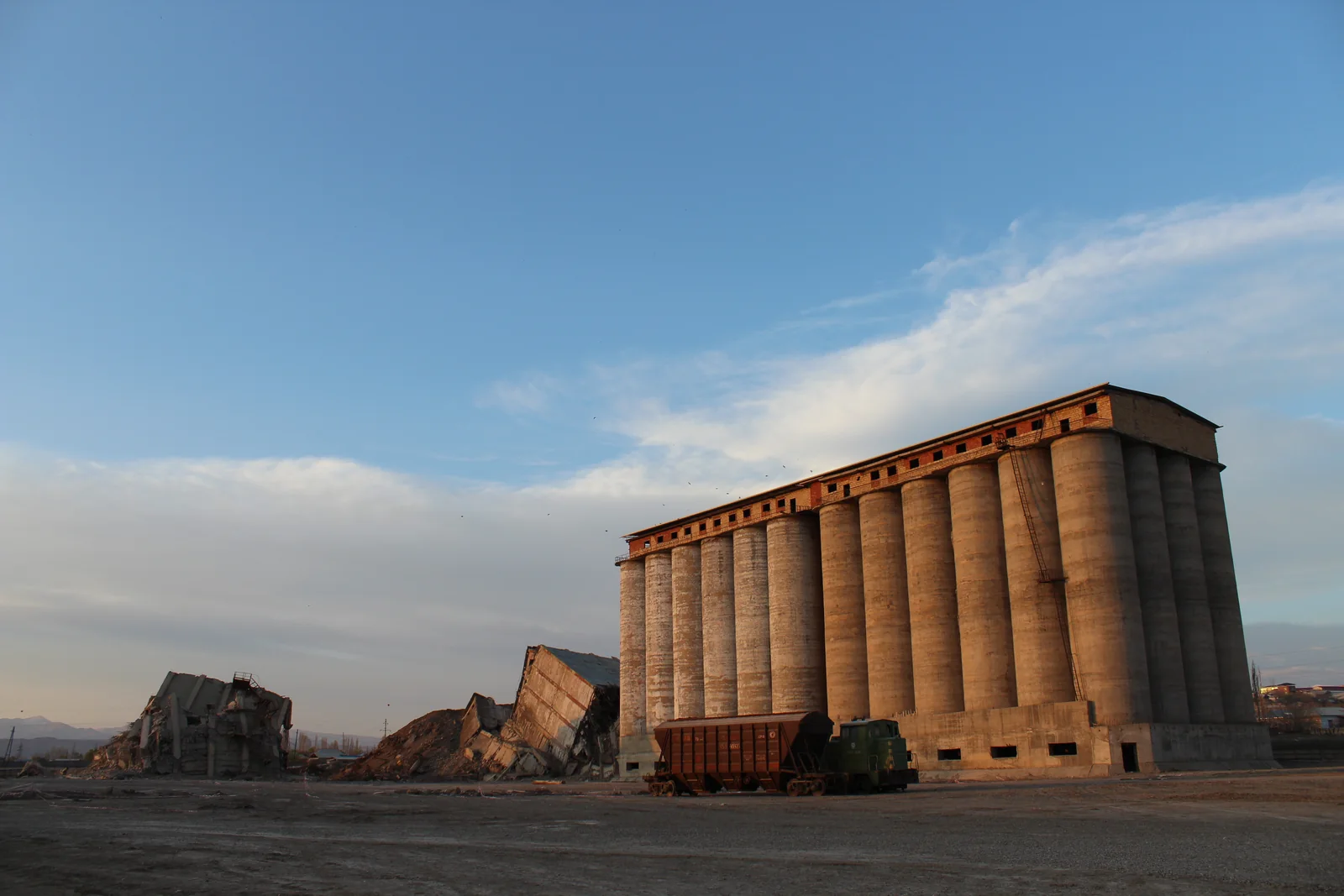
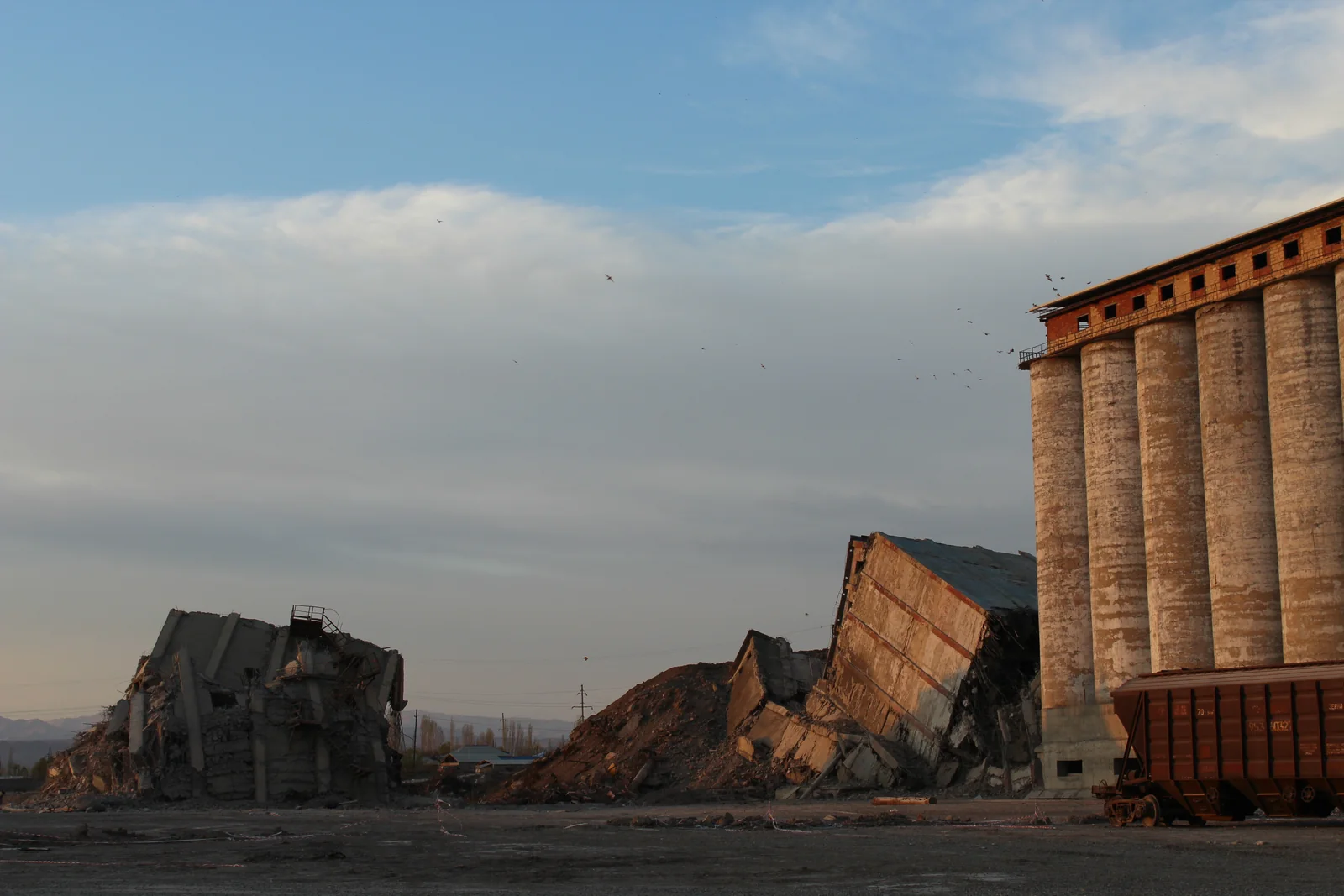

All operations are run by our own internationally and NATO-certified, licensed personnel.
For public authorities and private companies that use explosives, we prepare the technical specification and tender documents for explosives procurement, blasting and demolition service tenders, and support a correct, like-for-like evaluation of the bids.
Send us the number of storeys, the structural system, the distance to neighbouring buildings and photographs, and we'll decide the method together.
Blast records from our projects. Scan the QR code with your phone camera or click the title.
 İSKENDERUN · VIDEOState hospitalİSKENDERUN · SHORTState hospitalİSKENDERUN · SHORTHospital tower, aerial
 HATAY · VIDEOEarthquake-damaged high-risk buildings
 HASSA · VIDEOAdjoining buildings
 HASSA · VIDEOTwo buildings in one blast
 HASSA · VIDEOCollapse and debris
 HASSA · VIDEO20-storey high-rise
 HASSA · SHORT8-storey building
 HASSA · SHORTCity-centre demolitionHASSA · SHORTFrom the street
 HASSA · SHORTFrom the safety perimeter
 DTEX IN THE PRESS · SHORTDemolition in the earthquake zone
 DONETSK · VIDEODemolition in a dense urban area
 KARTAL · VIDEOBuilding demolition
 KARTAL · VIDEOFour blocks in one blast
 KARTAL · SHORTExplosive demolitionSARIGAZİ · VIDEOHousing blocks
 SARIGAZİ · SHORTHousing blocks, aerial
 SULAYMANIYAH · VIDEOGrain silo
 SULAYMANIYAH · VIDEOGrain silo, second record
 SULAYMANIYAH · VIDEOConcrete silo towerSULAYMANIYAH · VIDEOPlanning, analysis and executionSULAYMANIYAH · SHORT42 m silos
 NAKHCHIVAN · VIDEOGrain silo
 NAKHCHIVAN · VIDEOSilo elevator
 NAKHCHIVAN · VIDEOGrain silo, second recordNAKHCHIVAN · SHORTTwo silo towers in one blastDTEX-CAE · VIDEOStructural analysis and explosive demolition
 DRILLING AND BLASTING · VIDEOPattern and charge design
 MINING AND QUARRYING · VIDEOControlled blasting
 MINING AND QUARRYING · VIDEOVibration controlSEISMIC · SHORTSeismic survey with explosives
